

Why Aluminium Gates Are Trending
When homeowners talk about upgrading their entrance, aluminium gates are increasingly taking centre‑stage. Lightweight yet strong, corrosion‑resistant and low‑maintenance, they offer a compelling alternative to traditional timber or iron.
Aluminium driveway gates allow for sleek modern looks, bespoke finishes and long‑term durability, ideal for UK weather and evolving design tastes. Add automation and you have a premium mix of aesthetics and functionality: enter the era of aluminium electric gates.
In this guide we’ll explore what affects the cost, typical price ranges, compare materials, walk through the installation process and give you smart tips to keep long‑term costs down.
What Affects the Price?
Material Thickness and Finish
The specification of your aluminium gate has a big impact on cost. A heavier gauge aluminium frame or infill adds to supply and installation cost. Upgrade options—such as powder‑coated finishes, bespoke colours, wood‑effect infill or intricate design work—also mean higher upfront cost. While standard finishes may keep things affordable, custom or high‑end finishes push budgets up.
Driveway Type
The style of gate (swing vs sliding vs bi‑fold) and the nature of your driveway significantly influence cost. A wide opening or long span may require heavier materials or stronger automation. If your driveway is on a slope or has awkward access, groundwork and fitting become more complex and costly. For instance, a typical “aluminium sliding gates” set‑up involves track or cantilever systems that cost more than a simple swing gate.
Automation Level
Adding automation converts a stylish aluminium gate into a fully functional access system. Basic motors and remote control cost less; smart integrations (app control, keypad, solar assist, safety sensors) add premium layers. For a set of aluminium electric gates, it’s not just the gate itself—but the motor, control system, safety devices and labour that combine to form the final cost. According to UK guides, a basic automatic gate system might start from around £2,000‑£3,000, but can escalate depending on features. (Total Automation)
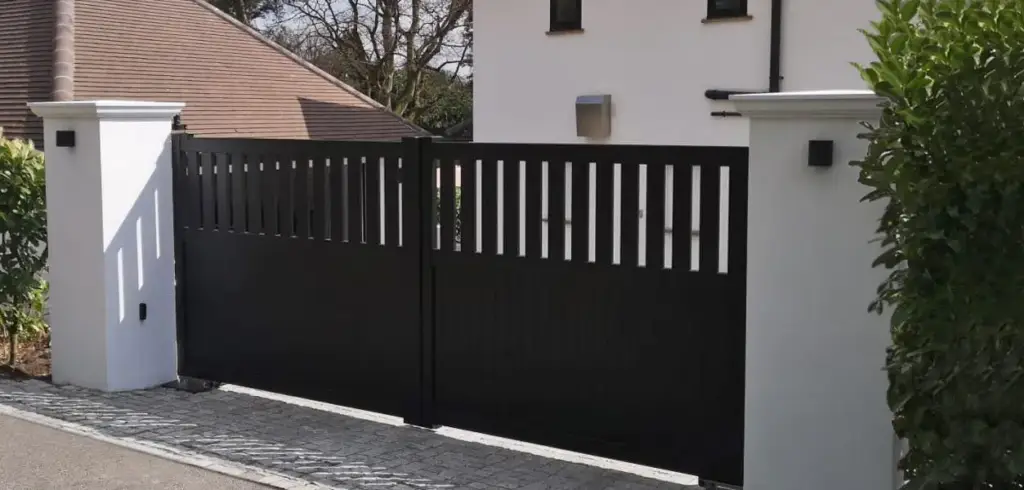
Average Price Ranges in 2025
While every project is unique, here are ballpark figures for aluminium electric gates in the UK:
- A simple double‑leaf aluminium swing gate (manual to automated) can start from a few thousand pounds.
- More mainstream aluminium electric gates—with moderate automation—typically fall in the £4,000‑£6,000 range for supply & install.
- Larger or more complex aluminium sliding gates push into £5,000‑£8,000+ depending on span, finish and automation.
- Ultra bespoke aluminium sliding gates or full driveway systems with premium materials and smart tech may run to £10,000+.
For example, one supplier lists aluminium sliding cantilever gates starting at around £4,500 for the gate only. (gardengatesdirect.co.uk)
Aluminium vs Timber vs Iron Cost Comparison
Here’s a quick comparison for the typical materials used in driveway gate installations:
Material | Typical Initial Cost | Maintenance Demand | Lifespan & Durability | Weight / Installation Complexity |
Aluminium | Moderate to high (but good value) | Very low (resists rust/rot) | High – aluminium doesn’t warp or corrode easily | Lightweight – easier installation, simpler automation |
Timber | Often lower initial cost | Higher (needs treatment, repainting) | Medium‑high if well treated but more upkeep | Lighter than iron but heavier than aluminium; may require more structure |
Iron / Wrought Iron | High (premium) | Medium (risk of rust, repainting needed) | Very high if maintained, classic look | Heavy – installation/automation more complex |
Key takeaway: While aluminium may cost more upfront than basic treated timber, it tends to offer better value over time due to lower maintenance and longer lifespan. Compared to wrought iron, aluminium may be cheaper or comparable depending on design, but with easier maintenance and lighter tooling for automation.
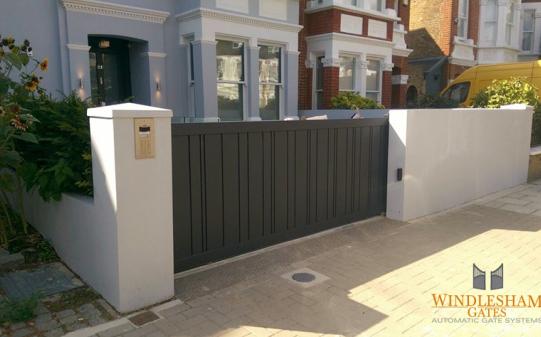
Installation Timeline and Process
Here’s a breakdown of what’s involved and how long it might take:
- Site Survey & Specification – installer assesses driveway width, access, ground condition, power supply, design preferences.
- Groundworks & Foundations – depending on driveway slope, ground stability and installation type (swing vs sliding) this could be a full day or more.
- Gate Supply & Fabrication Lead Time – aluminium gates often made to measure; lead times vary (from a few weeks to 6+ weeks).
- Installation of Gate Structure – posts, rails, gate leaves or sliding track.
- Automation/Controls Installation – motor, control box, safety sensors, remote systems.
- Testing & Hand‑over – verifying safe operation, manual override, access controls.
Typical timeframe: For a relatively straightforward installation of aluminium electric gates (good access, standard dimensions) expect 1‑2 days of on‑site work. If there are extensive groundworks, remote controls, large sliding gate track or tricky access, it may take several days. (MyJobQuote)
Tips to Save on Long‑Term Costs
- Choose a quality aluminium gate with good finish and warranty—this reduces repaint, repair or replacement costs.
- Opt for a low‑maintenance finish (powder‑coated, wood‑effect) instead of bare aluminium or untreated materials.
- Consider installing automation that is efficient and integrates well—cheaper to maintain and upgrade in future.
- Budget for servicing and minor maintenance—keeping automation parts and gate structure well maintained avoids major breakdowns.
- If possible, incorporate solar or energy‑efficient accessories to keep running costs low (many modern systems use very little power). In fact, one guide notes opening/closing cycles cost only about £15 per year in electricity. (Total Automation)
- Compare quotes, ensure groundworks and delivery access are well planned—poor access or site complications quickly add cost.
Conclusion
Choosing aluminium driveway gates is a savvy decision for UK homeowners who want style, durability and long‑term value. The upfront cost for aluminium electric gates might be higher than basic options, but the benefits – less maintenance, better resilience, and modern aesthetics – make it worthwhile.
Whether you’re going for a double swing setup or a more complex aluminium sliding gates system, ensure you focus on specification, access, finish and automation from the start. With good planning, you’ll have an entrance that looks great, works reliably, and stands the test of time. Get in touch with us today to get a free, no obligation quote.
FAQs
What is the average cost to install aluminium electric gates?
While very project‑specific, expect supply + installation in the region of £4,000‑£6,000 for aluminium electric gates of standard size and moderate specification. Larger spans or sliding types push higher.
Are aluminium gates more expensive than timber ones?
Often yes at the outset—but when you factor in durability, low maintenance and longevity, aluminium may offer better value over time compared to timber which needs regular treatment and may warp or degrade.
Do aluminium electric gates rust?
No. One of the major benefits of aluminium is that it resists corrosion and does not rust like traditional steel or wrought iron, making it well‑suited to the UK climate.
How long do aluminium gates last?
With proper fabrication, finish and maintenance, aluminium gates can last decades—often matching or exceeding what you’d expect of timber or standard steel gates.
Can I paint aluminium electric gates later?
Yes, subject to the original finish and warranty—but ideally you choose the finish and colour you want from the start to avoid repainting costs.
What about planning permission for aluminium electric gates in the UK?
For residential installations, planning permission may not be required if the gate is within certain height limits and not adjacent to a highway. However, if your property is listed in a conservation area or the new gate significantly alters appearance/value you should check with your local authority.