

What’s Influencing 2026 Trends?
As we look ahead to 2026, the world of electric gate systems is evolving fast. It’s no longer just about security. Today’s electric gates for homes must combine style, sustainability and smart‑technology. For homeowners across Surrey, whether in a historic property or a sleek new build, the trends are being shaped by changes in architecture, materials, smart‑home integration and environmental values. In this article we’ll explore the major design directions for electric gates design, helping you plan an entrance that looks great now and stays relevant into the future.
Top Predicted Trends
Minimalist Gates
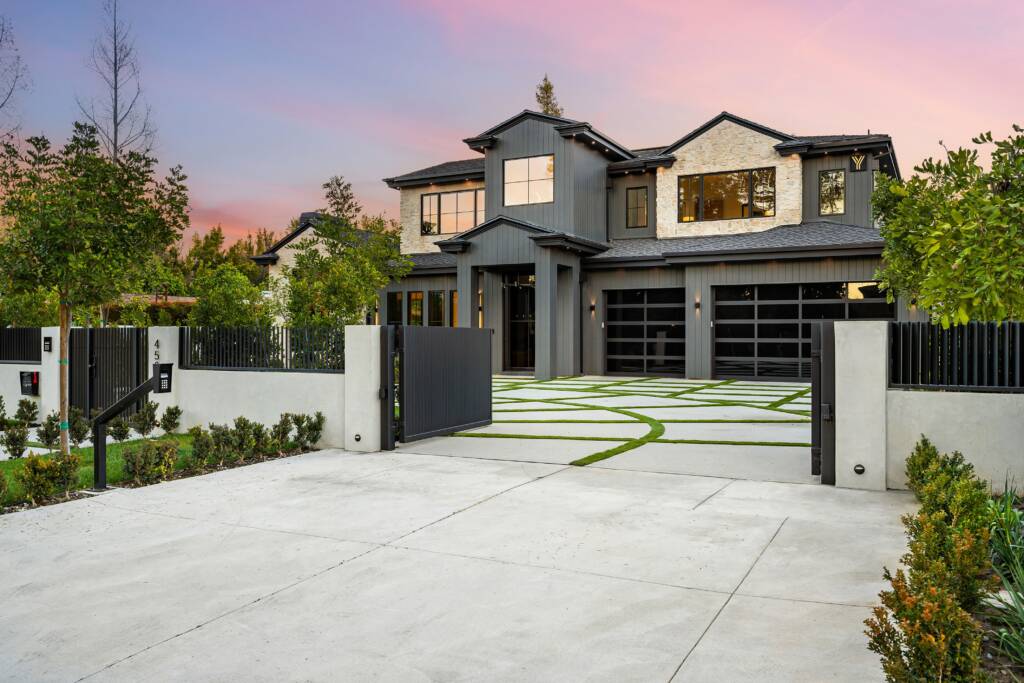
Minimalist gate designs are set to dominate in 2026. Clean lines, hidden hardware, and subtle automation mechanisms give a sleek, understated look. Many homeowners want their electric gates to blend with the home rather than shout at the street. Black or anthracite finishes, slim profiles and horizontal or vertical slat patterns are popular. Experts note that minimalist entrances help maintain a front‑garden aesthetic that complements current architecture. (Windlesham Gates)
For Surrey homes, where many properties have refined façades or are in conservation areas, this thoughtful simplicity can be particularly effective.
Colour‑Matched Designs
Another key trend for 2026 is colour matching: gates that echo the home’s exterior palette—whether that’s the front door colour, window frames or cladding. With powder‑coated aluminium or steel, it’s easier than ever to get bespoke RAL colours. The effect is cohesive and polished, allowing the gate to feel part of the home rather than a separate component.
When you’re specifying your next “electric gates for driveways” look out for: matching tones with the house, matte finishes for a premium feel, and subtle contrast colours to highlight the entrance without overpowering it.
Smart Integrations
Smart technology is no longer optional—it’s becoming a baseline expectation for modern electric gates. From app‑based operation to voice control, from vehicle tag sensors to remote access logging, homeowners want gates that integrate seamlessly into their digital lives. One UK industry blog notes:
“Integration with smart devices is becoming a must‑have feature for residential gate systems.” (Windlesham Gates)
In practice, this might mean a gate you open via smartphone, view visitor video via intercom, or integrate with your home heating, security and lighting system. For Surrey properties, with higher specification homes, this trend is especially relevant.
Materials Making a Comeback
While form and tech are critical, the materials used are equally important—and several are re‑emerging in popularity for 2026:
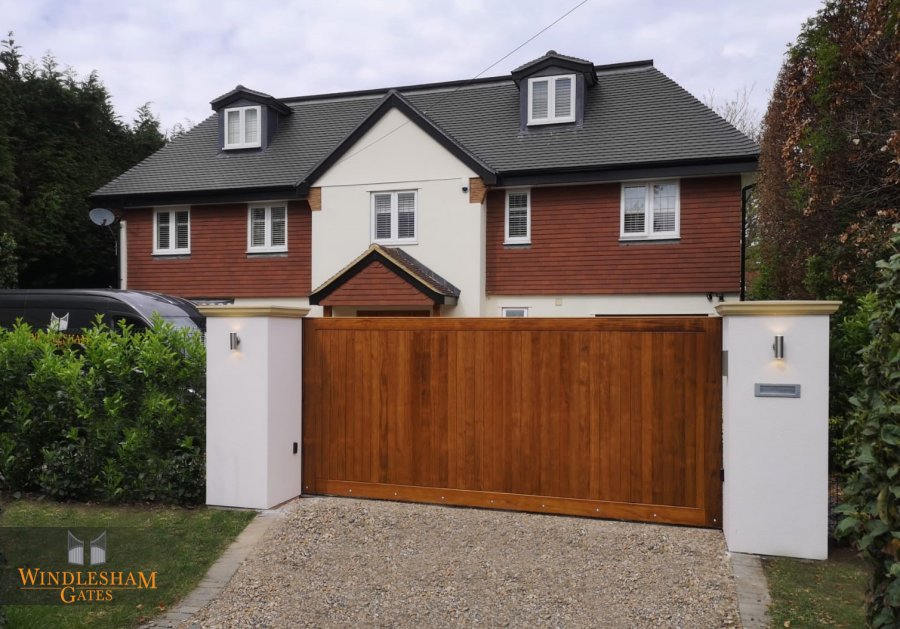
- Hardwoods: Rich timber such as Accoya, iroko or sapele is making a comeback, especially for homes seeking natural textures. A UK specialist blog highlights sustainable wood as a key feature. (Windlesham Gates)
- Recycled/eco‑metals: Aluminium and steel manufactured from recycled sources are gaining ground, matching style with sustainability. These offer less maintenance and long lifespan.
- Mixed‑material combinations: Many designs now blend aluminium frames with timber infill or composite panels, offering the warmth of wood with the sleekness and durability of metal.
For homeowners in Surrey—whether period or modern—the key is to choose materials that match the property’s character, climate exposure and your maintenance appetite.
Automation & Sustainability
Sustainability is firmly on the agenda for 2026—not just in materials but in the operation and lifecycle of the gate. Some of the green trends to watch:
- Solar‑powered gate motors and battery backups: especially useful for semi‑rural Surrey homes with long drives. UK articles show increasing use of solar gate systems. (rawsonautomation.co.uk)
- Low‑voltage motors and efficient automation: reducing running costs and carbon footprint.
- Responsibly‑sourced materials and manufacturing: Timber with FSC certification, recycled metals, and lean manufacturing processes.
- Smart integration with home energy systems: e.g., sync gate opening with lighting, chargepoints, or home‑battery systems.
The result is a gate that not only looks good and works well—but also aligns with eco‑conscious living and adds to long‑term value.
Design Tips for Period vs Modern Homes
For Period Homes
When your home has character – stone walls, traditional brickwork or heritage features – your gate should complement rather than clash. Suggestions:
- Use traditional materials (timber, wrought‑iron details) but pair with modern motors and control systems discreetly hidden.
- Make sure the design respects local conservation area guidelines in Surrey (if applicable).
- Choose finishes and colours that match existing elements, e.g., ironwork, window frames, garage doors.
- Opt for automatic operation that doesn’t detract from the entrance’s original proportion or detailing.
For Modern Homes
For contemporary properties the design cues are different:
- Ultra‑slim profiles, flush surfaces, hidden tracks or underground motors to deliver the “floating gate” effect.
- Use of horizontal or vertical slats, frameless designs, bold solids in large panels.
- Match the gate design to other elements like garage doors, façade cladding or fencing to create a unified frontage.
- Smart features are more openly displayed: integrated lighting, sensor bars, remote‑access controls become part of the design aesthetic.
Expert Commentary
Industry insiders highlight a few key observations for Surrey homeowners:
- Demand for smart access controls continues to rise: no longer a “nice‑to‑have” but expected at upper‑end homes. (Windlesham Gates)
- Garden‑to‑house integration: gates are now seen as part of the overall landscape design, not standalone features.
- Sustainability credentials are a differentiator: a gate made of recycled aluminium or solar‑powered automation will stand out in the resale market.
- Site survey and design planning matter more than ever: issues like driveway slope, groundworks, and access clearance are influencing design decisions early on.
If you plan to install or upgrade your electric gate system in Surrey, it’s wise to work with an installer who combines design expertise, material knowledge and smart‑tech integration.
FAQs
What are the most popular electric gates for driveways in 2026?
Sliding aluminium gates with horizontal slats, dark powder‑coat finishes and smart control integration are leading the way among modern homes. For more traditional homes, timber or wrought‑iron swing gates remain popular.
Can I modernise my existing gate without replacing it?
Yes. Many manual gates can be retro‑fitted with automation kits, smart entry systems and refreshed infills or finishes, but structural condition, foundation and clearances must be assessed first.
What materials last longest in the UK climate?
Powder‑coated aluminium and galvanised steel offer excellent durability with minimal maintenance. Treated hardwoods also last well but may need periodic upkeep.
How do I maintain electric gates with smart features?
Annual servicing is recommended to check mechanics, sensors, motor functions and software/firmware updates. Integrations like apps and intercoms should be tested regularly.
Are smart gate systems secure?
Yes, if installed correctly, smart systems often enhance security via remote logging, visitor verification, intercom and tag access. Ensure installer complies with UK safety standards.
Do I need planning permission in Surrey for electric gates?
Often no, especially for driveways in residential zones, but if your property is listed, in a conservation area or the gate is unusually large/prominent. You should check with the local authority.
In Summary…
The next wave of electric gate design for 2026 blends form, function and values. Whether you’re looking for minimalist style, smart‑home integration, eco‑friendly materials or a gate that complements a historic façade, now is the time to choose wisely.
For Surrey homeowners in particular, the key is matching the design to your property’s character, investing in quality automation and selecting materials that will age gracefully. A well‑designed gate does more than secure your home – it elevates its entrance, enhances convenience and adds real long‑term value.